Entry 23

Too Local to Travel

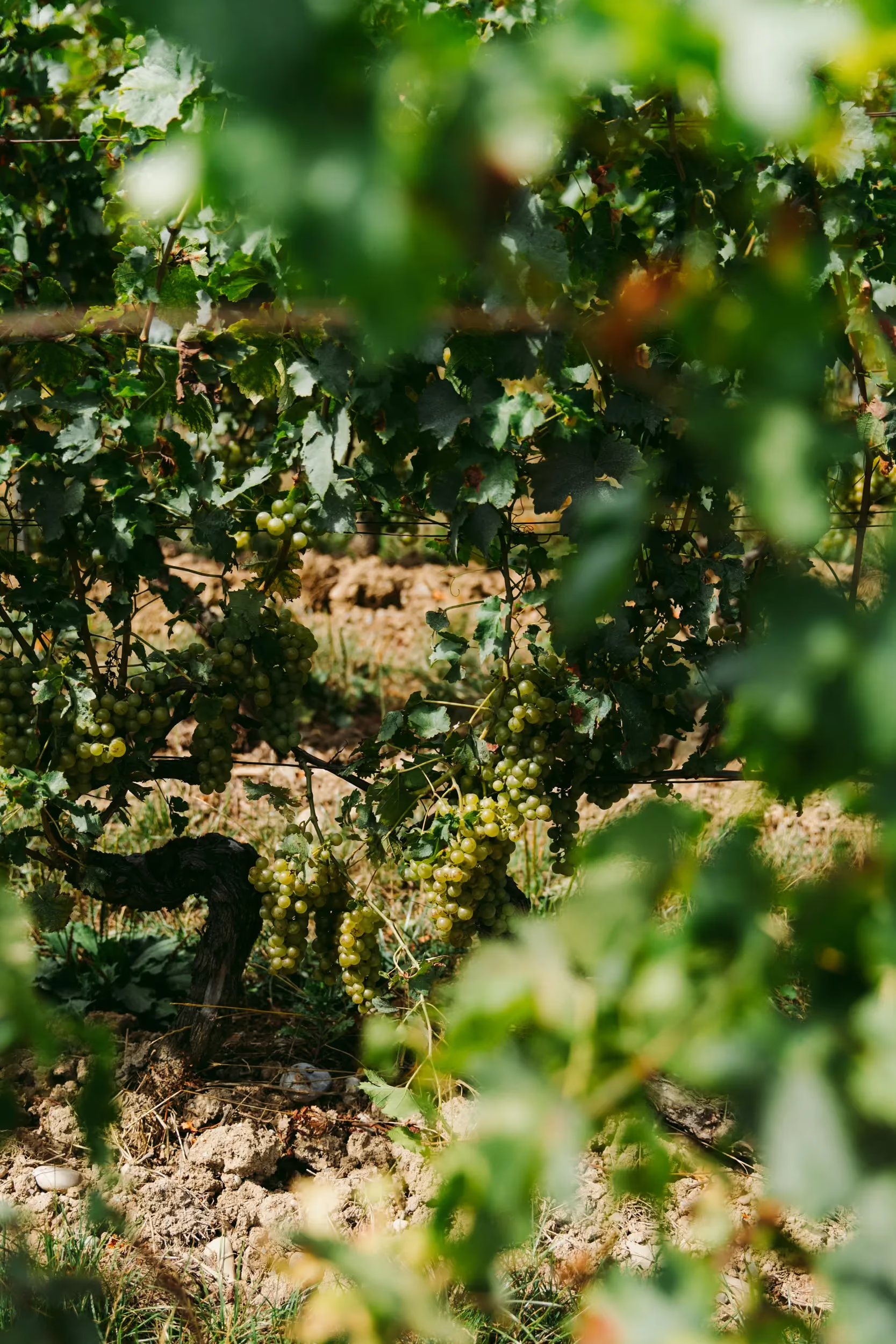
There's a grape called Heida that grows almost nowhere else, because almost nowhere else is mad enough to plant vines above a thousand metres and call it a vineyard. In Visperterminen, that's exactly what they did, and have been doing for centuries. The vines lean into dry-stone walls that spend the day absorbing sun and release it slowly through the night.

Someone pruning vines above Fully in January is doing something the Romans would recognise, more or less. 

They came through Valais, Switzerland too, on their way over the mountains, and didn't leave empty-handed. Vines in Valais are still trained low and close to the stone terraces, kept tight against the heat the rock gives back, and pruned hard enough each winter that nothing is left to chance. The terraces themselves climb the slopes in narrow steps, too steep for any ordinary tractor, which is part of why the work has stayed this way. These plots rarely change hands, either. The person tending vines on a Tuesday morning is often the same family who has tended them for generations, working alongside walls that, laid end to end, would stretch further than the length of Switzerland itself. They're rebuilt the way they were first built, stone on stone, no mortar, whenever a hard winter knocks one down.

What grows here isn't what you'd expect. Petite Arvine is the white locals talk about the way others talk about a good vintage Champagne, citrus and white peach with a salt-like edge, as if the mountain air got into the glass. 

Cornalin is the red, an old indigenous variety, dark and spiced, built to spend ten years in a cellar cut into rock before anyone touches it. 

Heida, up at altitude, is leaner again, all citrus pith and flint, a taste that seems to belong to the cold it grew in. Names that mean nothing if you've never been here, and everything if you have.

What's easy to miss is where all of this goes. Almost nowhere, as it turns out. Switzerland exports only around one percent of what it produces, and the reason isn't scarcity. It's appetite. The Swiss drink most of it themselves, and have done for long enough that nobody thinks to ask why. The wine ends up in village cafés, in family cellars, on tables a short walk from the vines that grew it. For a wine drinker used to labels chasing them around the world, it's a strange feeling to find one that simply stayed home.

Each May the cellars of Valais open. Caves Ouvertes brings around two hundred and thirty small producers across the canton to their doors for a weekend, this year marking its twentieth edition. Winemakers who are often each other's neighbours, lending a hand in one another's vineyards the rest of the year, pour their latest vintages and tell the stories behind them, the kind of detail that takes twenty years to accumulate.

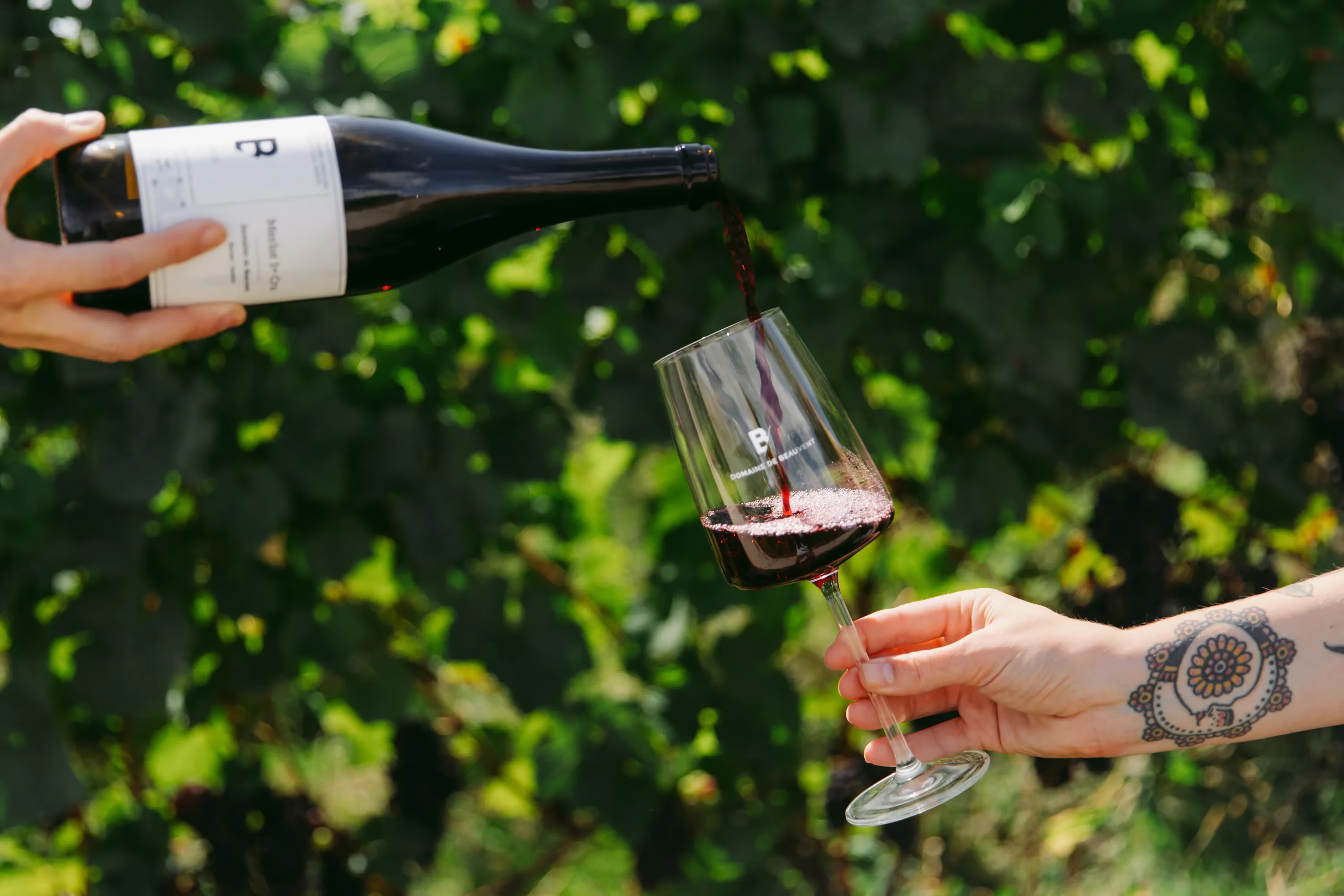
We think a chalet should work the same way, a door that opens onto the valley rather than a wall against it. A glass of something local on the table, often a Petite Arvine or a Cornalin, is a small part of that. For guests, it's sometimes their first real touch with Swiss wine, and there's usually a moment of polite hesitation, the kind reserved for a label nobody recognises. It rarely lasts. The wine was never trying to prove anything. It just kept being good, quietly, in a valley most people have never had reason to look at closely. Until now, they have.

Frequently asked Questions

Do luxury ski chalets in Switzerland serve local wine?
Many do, and at Armadillo it's a deliberate choice rather than an afterthought. Chalets in Verbier and Méribel often serve a selection of Valais wines, such as Petite Arvine or Cornalin, alongside meals, giving guests a genuine taste of the region the chalet sits in rather than a generic international wine list.

Is Swiss wine actually good, or is it just a local thing?
Swiss wine has a strong reputation among those who know it, despite being almost unheard of outside the country. Valais in particular produces distinctive indigenous varieties, including Petite Arvine, Cornalin and the high-altitude white Heida, grown nowhere else in the world.

Why don't more people know about Swiss wine?
Switzerland exports only around 1% of the wine it produces, as domestic demand is high enough to absorb almost all of it. This means Swiss wine, especially from regions like Valais, is something most visitors only encounter by travelling there.

When does Caves Ouvertes take place in Valais?
Caves Ouvertes is an annual open-cellar weekend held over Ascension weekend each May, when around 230 small, often family-run producers across Valais open their cellars to visitors for free tastings. It's one of the largest wine events in Switzerland and a rare chance to meet the people behind the wines.

[ { "@context": "https://schema.org", "@type": "BlogPosting", "headline": "Too Local to Travel", "description": "Why Swiss wine, particularly from Valais, rarely travels beyond the region it's made in, and how its rare indigenous grape varieties find their way onto the table in Armadillo's chalets.", "author": { "@type": "Organization", "name": "Armadillo Chalets" }, "publisher": { "@type": "Organization", "name": "Armadillo Chalets", "url": "https://www.skiarmadillo.com" }, "mainEntityOfPage": { "@type": "WebPage", "@id": "https://www.skiarmadillo.com/journal/too-local-to-travel" }, "about": [ "Valais wine", "Swiss wine", "Petite Arvine", "Cornalin", "Heida", "Caves Ouvertes" ] }, { "@context": "https://schema.org", "@type": "FAQPage", "mainEntity": [ { "@type": "Question", "name": "Do luxury ski chalets in Switzerland serve local wine?", "acceptedAnswer": { "@type": "Answer", "text": "Many do, and at Armadillo it's a deliberate choice rather than an afterthought. Chalets in Verbier and Méribel often serve a selection of Valais wines, such as Petite Arvine or Cornalin, alongside meals, giving guests a genuine taste of the region the chalet sits in rather than a generic international wine list." } }, { "@type": "Question", "name": "Is Swiss wine actually good, or is it just a local thing?", "acceptedAnswer": { "@type": "Answer", "text": "Swiss wine has a strong reputation among those who know it, despite being almost unheard of outside the country. Valais in particular produces distinctive indigenous varieties, including Petite Arvine, Cornalin and the high-altitude white Heida, grown nowhere else in the world." } }, { "@type": "Question", "name": "Why don't more people know about Swiss wine?", "acceptedAnswer": { "@type": "Answer", "text": "Switzerland exports only around 1% of the wine it produces, as domestic demand is high enough to absorb almost all of it. This means Swiss wine, especially from regions like Valais, is something most visitors only encounter by travelling there." } }, { "@type": "Question", "name": "When does Caves Ouvertes take place in Valais?", "acceptedAnswer": { "@type": "Answer", "text": "Caves Ouvertes is an annual open-cellar weekend held over Ascension weekend each May, when around 230 small, often family-run producers across Valais open their cellars to visitors for free tastings. It's one of the largest wine events in Switzerland and a rare chance to meet the people behind the wines." } } ] } ]